· 2 min read
The Role of Protein in Weight Loss
By Melissa Colborne, Registered Dietitian
When trying to lose weight, we often focus on restricting or cutting out certain food groups. However, the role of protein in achieving sustainable weight loss deserves a lot more attention! As a dietitian, I firmly believe that protein plays an important role in supporting your weight loss efforts.
Protein has the ability to increase satiety and help control your appetite. Unlike carbohydrates or fats, protein takes longer to digest, keeping you fuller for longer. By including protein-rich foods in your meals and snacks, you can reduce the chances of overeating and unnecessary snacking.
Your body burns more calories during the digestion and absorption of protein (thermic effect of food) compared to carbohydrates and fats. This is a modest effect, but it is one reason protein is a useful part of an eating pattern for weight management.
When losing weight, we want to preserve lean muscle mass as it contributes to a higher metabolic rate. Protein plays an important role in muscle growth and repair so by including adequate protein-rich foods in your diet, you can help preserve muscle while you lose fat.
Regular exercise plays a key part in weight loss. Protein helps repair and rebuild muscle tissues after exercise, facilitating better recovery. By meeting your protein requirements, you can recover well and stay active, which supports your goals.

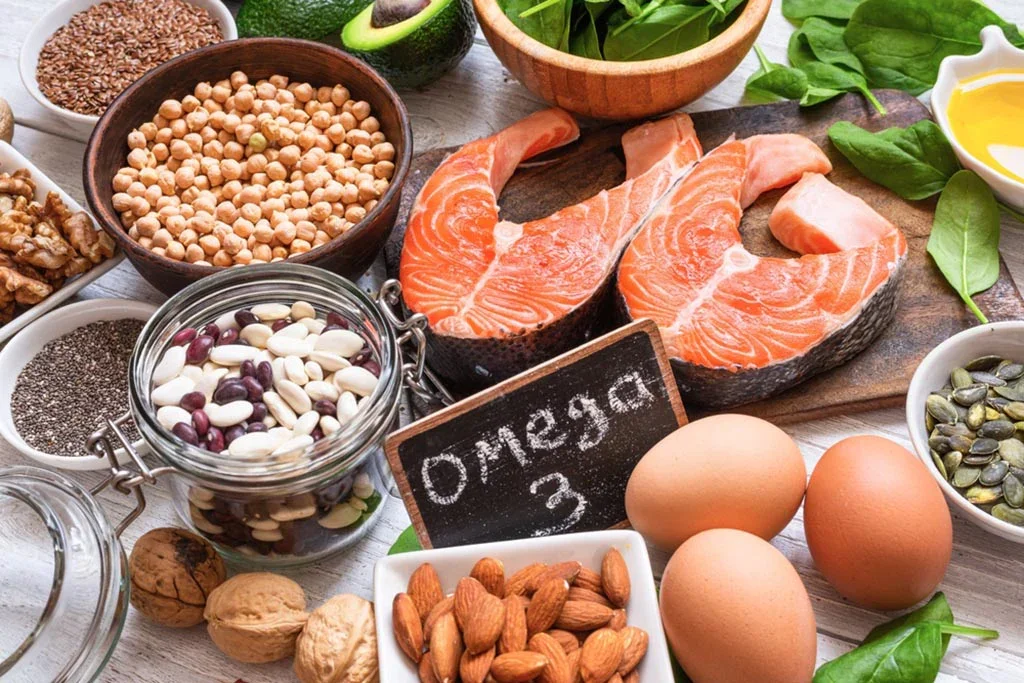
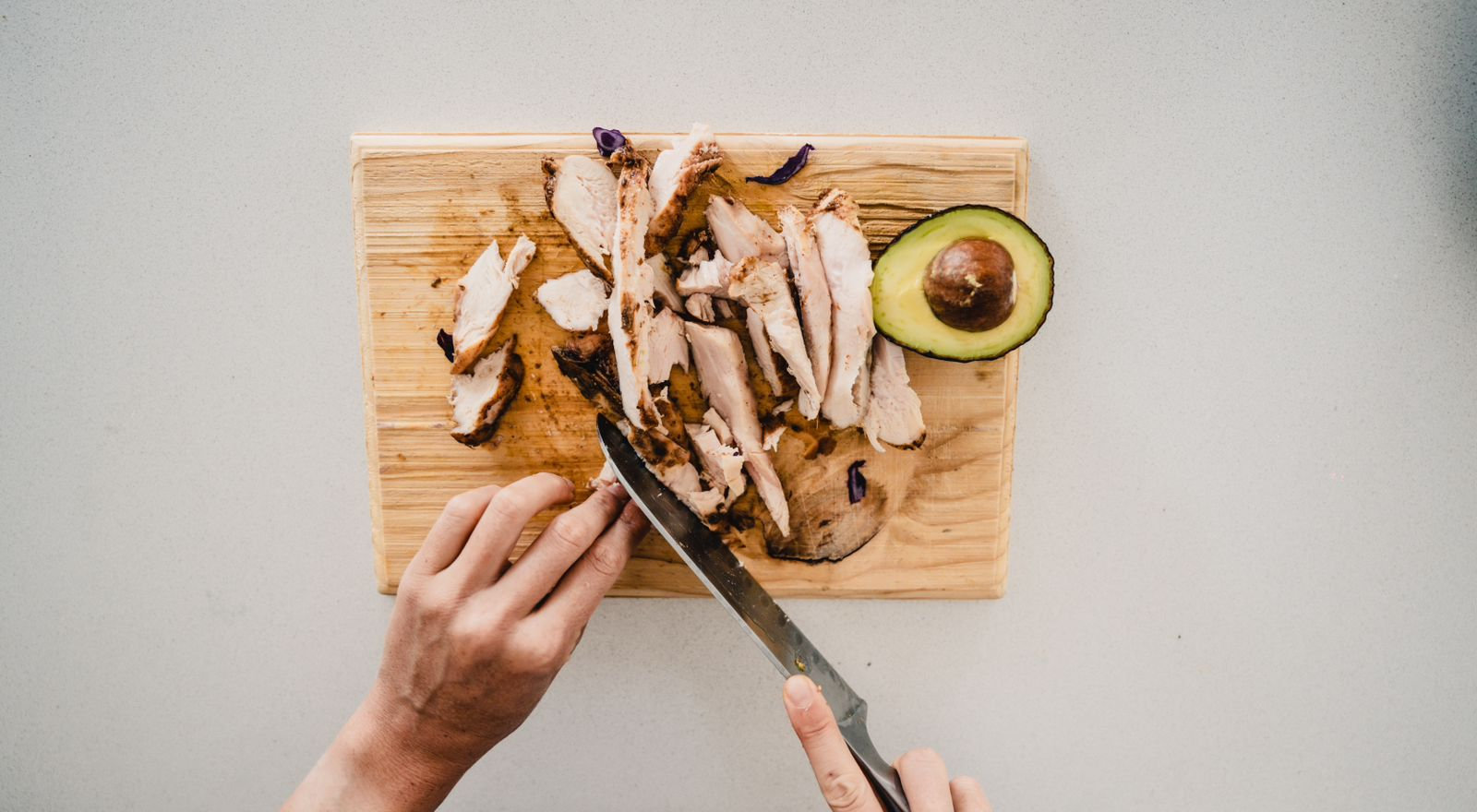
Protein-rich foods, such as lean meats, fish, eggs, legumes, and dairy products, often come packed with other essential nutrients. By prioritising protein, you can ensure your body receives the necessary vitamins, minerals, and antioxidants for overall health. Also, protein-rich foods tend to be more satisfying and enjoyable, making it easier to adhere to a healthy eating plan in the long run.
Including adequate protein in your diet is an important part of sustainable weight loss. It helps keep you fuller for longer, burns more calories through digestion (compared to carbohydrates and fats), helps preserve muscle while losing fat, and helps you perform at your best during exercise so why not make sure that you are prioritising protein in your diet! Remember to consult with a registered dietitian to determine the ideal protein intake based on your individual needs.
Ready for personalised support?
Apply for the Real Life Reset: 16 weeks of coaching with meal plans I personalise for you, built around your real life.