· 2 min read
Eating Well Through Menopause
By Melissa Colborne, Registered Dietitian
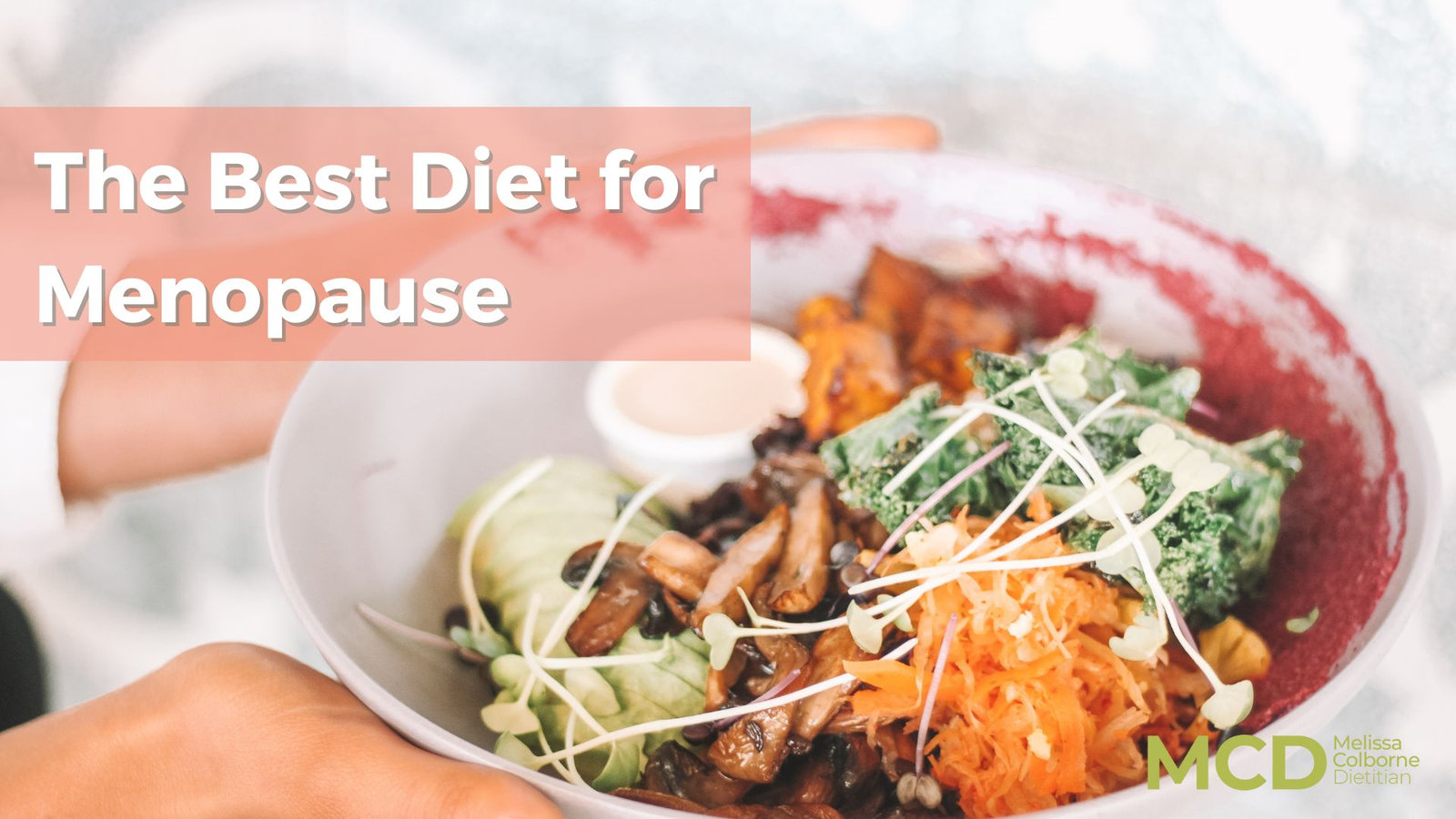
Menopause is a natural biological process that marks the end of woman's reproductive years. It usually occurs between the ages of 45 and 55, but can happen earlier or later. During this time, women experience a decrease in estrogen production, which can cause a variety of symptoms, such as hot flushes, night sweats, poor sleep and mood swings.
Clients often ask me about the role of our diet in managing menopausal symptoms so I thought I would share some insight here. There is no magic pill or one-size-fits-all diet but certain eating habits and nutrients may help ease some symptoms and support your overall health during menopause.
1. Maintain a healthy weight
Menopause is often accompanied by changes in body composition and metabolism, which can make weight gain more likely. It is also linked to a higher risk of chronic diseases such as heart disease and type 2 diabetes. Eating a balanced diet including fruits, vegetables, whole grains, lean proteins, and healthy fats, can help support weight management and overall health.
2. Ensure adequate intake of Calcium and vitamin D
Calcium and vitamin D are important for bone health and becomes even more important with menopause as estrogen levels decline. Good dietary sources of Calcium include dairy products, leafy greens, and fortified foods such as orange juice and tofu. Dietary source of Vitamin D include fortified foods such as milk and cereals but sun exposure is the main source. Some people need a supplement, especially in winter, so please check with your doctor or dietitian first.
3. Include foods rich in phytoestrogens
Foods such as soy products and flaxseeds, are rich in phytoestrogens and may also help reduce some menopausal symptoms. Phytoestrogens are plant-based compounds that can mimic the effects of estrogen in the body. Research on this is still mixed, but these foods can be part of a balanced diet for most women.
4. Stay hydrated and limit caffeine and alcohol
Drinking water and herbal teas will keep you hydrated, which may help you feel more comfortable. The recommendation is to drink atleast 8 glasses (2 liters) of water per day. Caffeine and alcohol should be limited as for some women these can make hot flushes and other symptoms worse.
While there is no one-size-fits-all approach, a balanced diet and attention to specific nutrients and hydration can support your overall health during menopause and may help with some symptoms. Menopause affects every woman differently, so please speak to your doctor about your symptoms and to a registered dietitian for an individualised plan.
Ready for personalised support?
Apply for the Real Life Reset: 16 weeks of coaching with meal plans I personalise for you, built around your real life.