· 2 min read
Portion Control Made Simple
By Melissa Colborne, Registered Dietitian
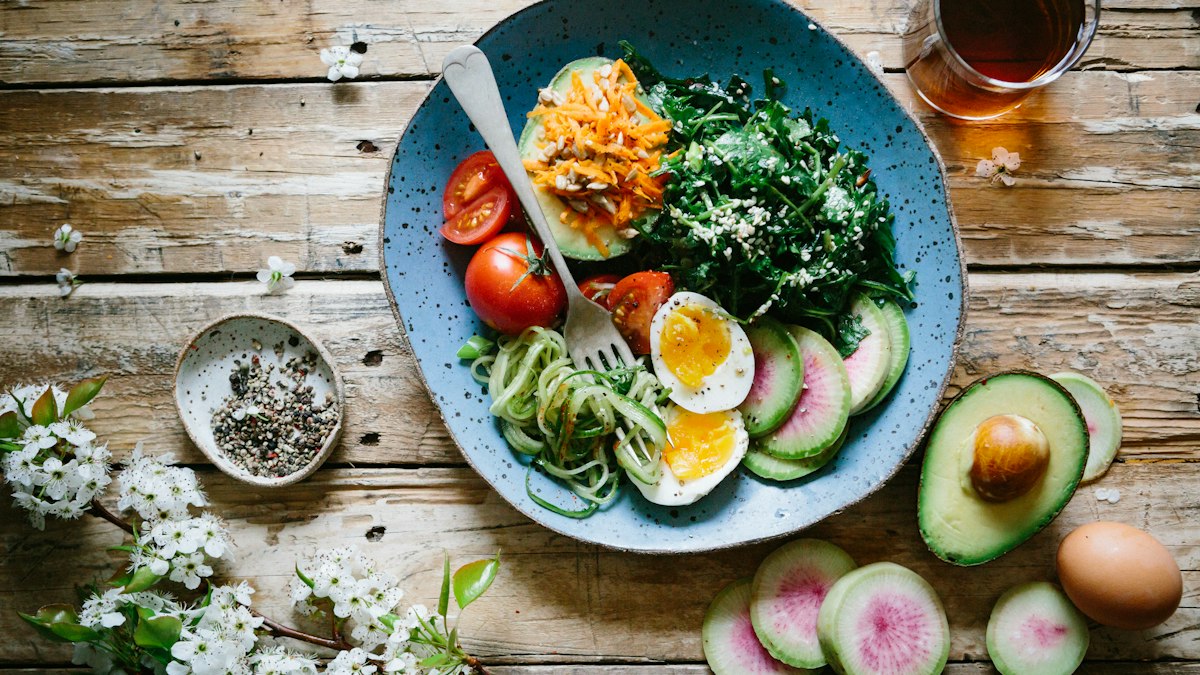
Over the past few years our portions sizes have increased which has contributed to many people being overweight or obese. Understanding appropriate portion sizes is an important tool for healthy living. Portion control means choosing a healthy amount of a certain food. It helps you get the benefits of the nutrients in the food without overeating.
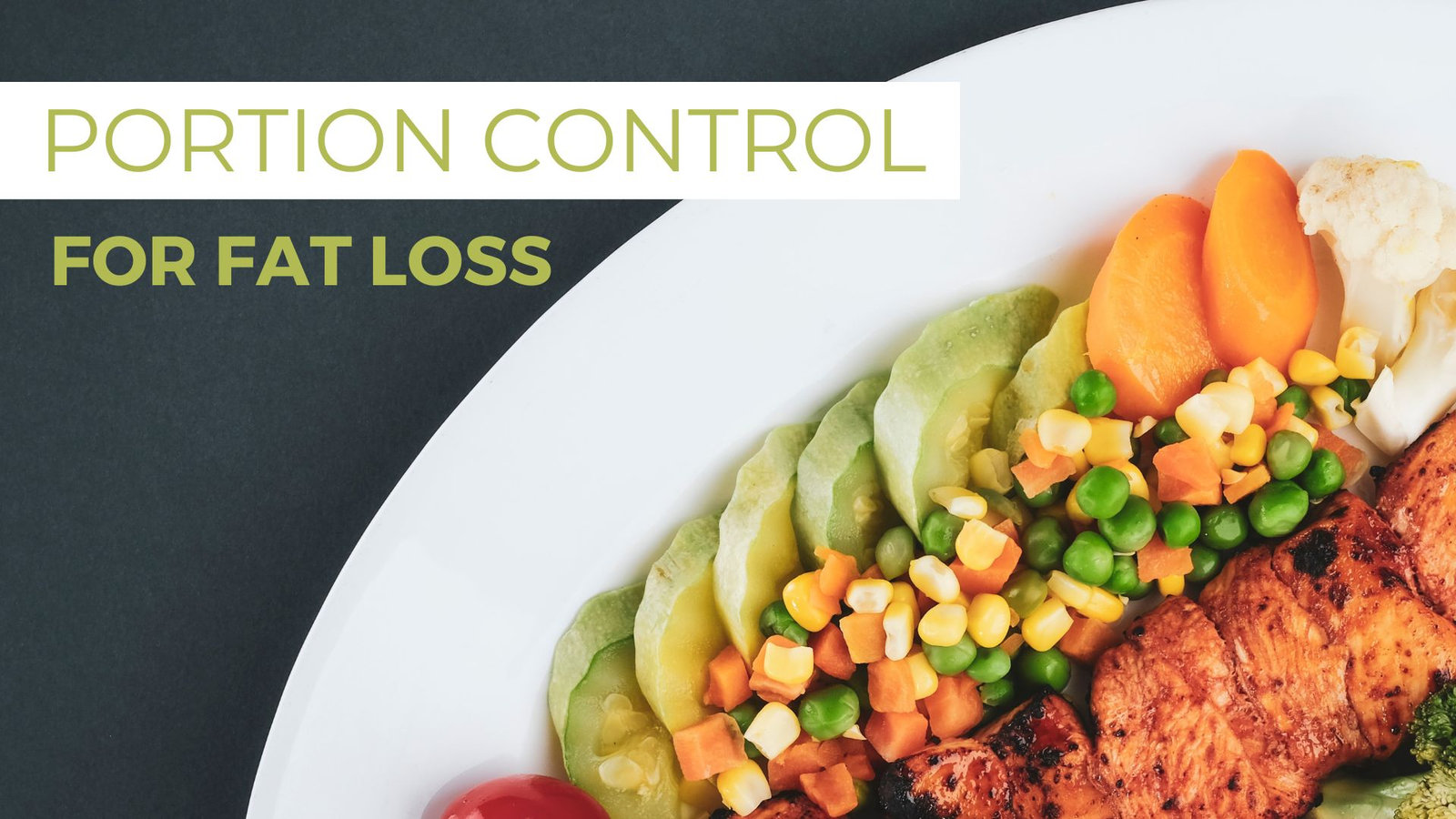
Here are some of the benefits of portion control:
- Helps you maintain a healthy weight
- Can support comfortable digestion
- Helps you meet your nutritional needs
- Supports your overall health
If you are feeling lost and don't know how much you should be eating, you can use this quick and easy portion control guide:
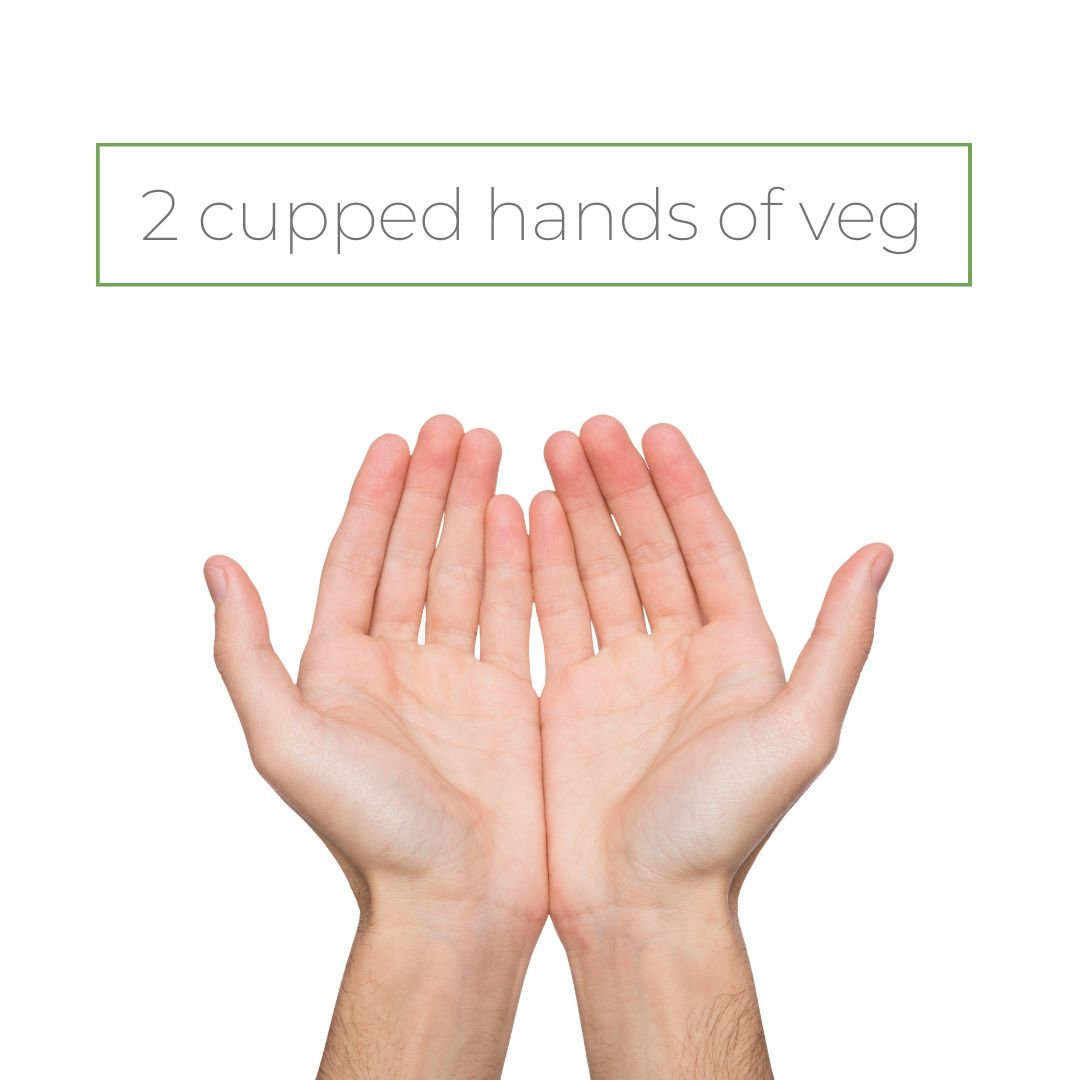
2 HANDFULS OF NON-STARCHY VEGETABLES
spinach, broccoli, cauliflower, aubergine, kale, tomato, peppers
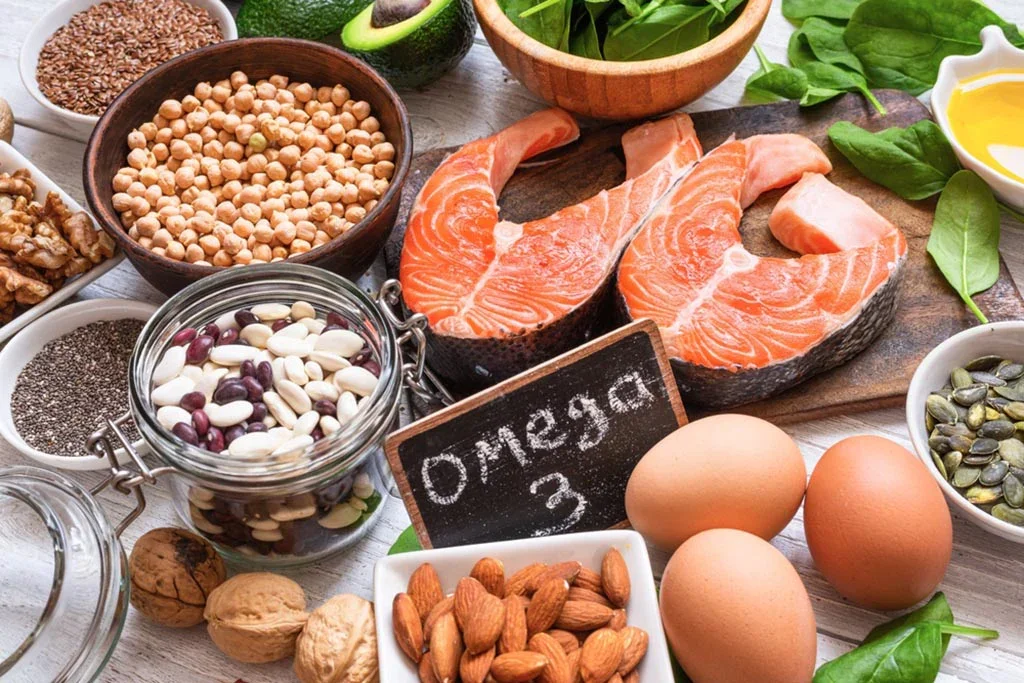
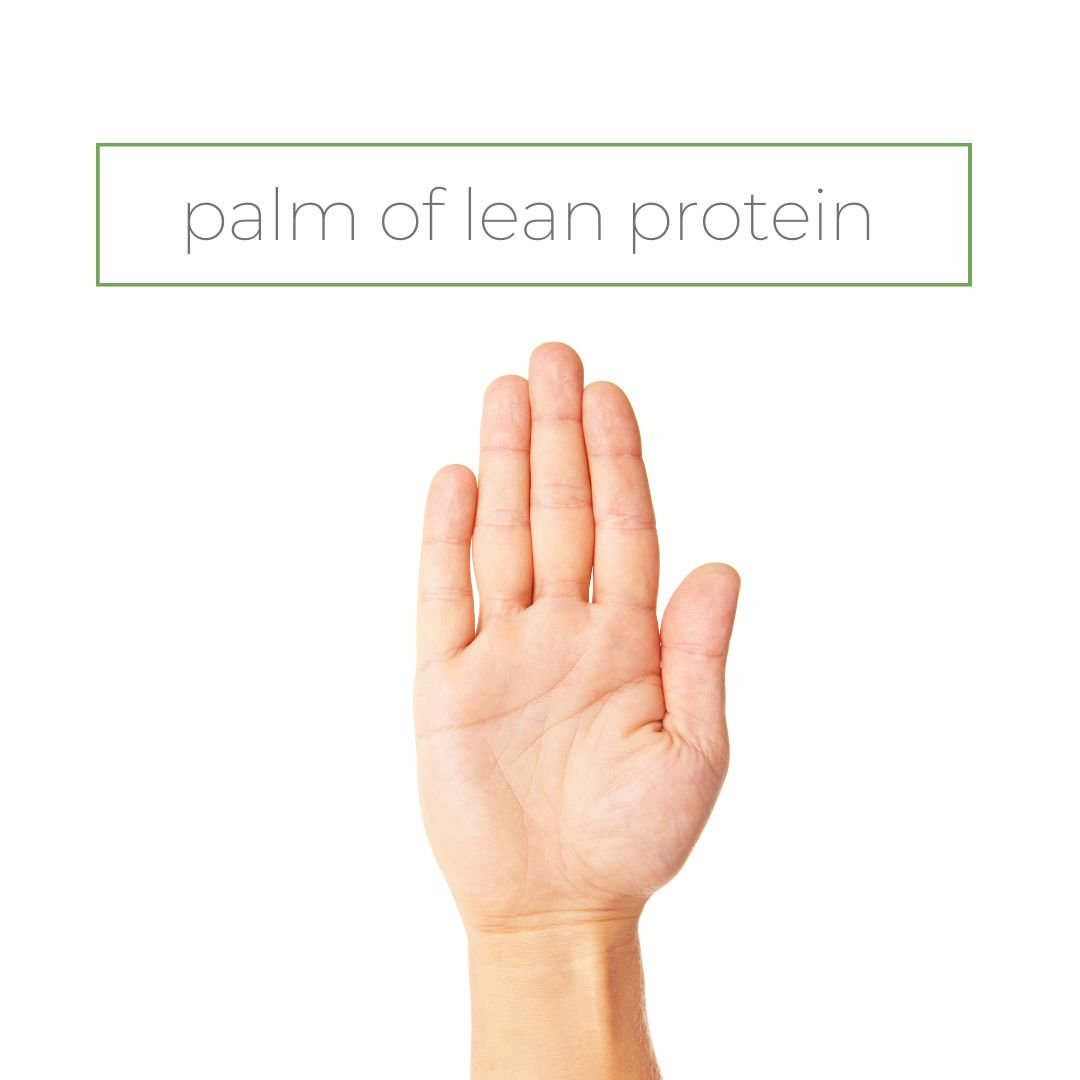
1 PALM OF LEAN PROTEIN
chicken, fish, tofu, legumes, eggs
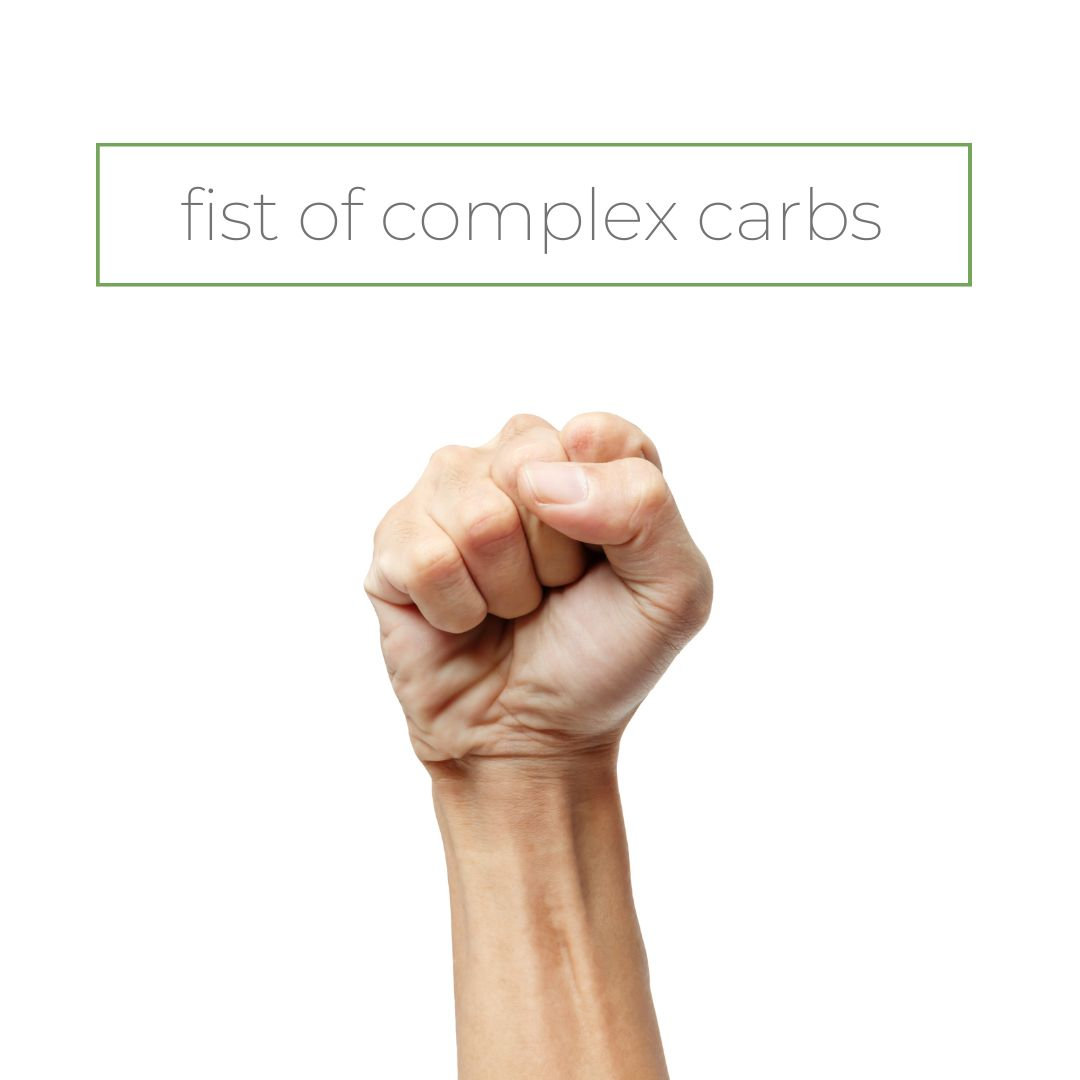
1 FIST OF STARCHY CARBOHYDRATES
whole-grains (bread, rice, pasta); starchy veg (potatoes, sweet potato, butternut, peas, corn)
1 THUMB OF HEALTHY FATS
olive oil, avocado, butter, nut butters, nuts and seeds
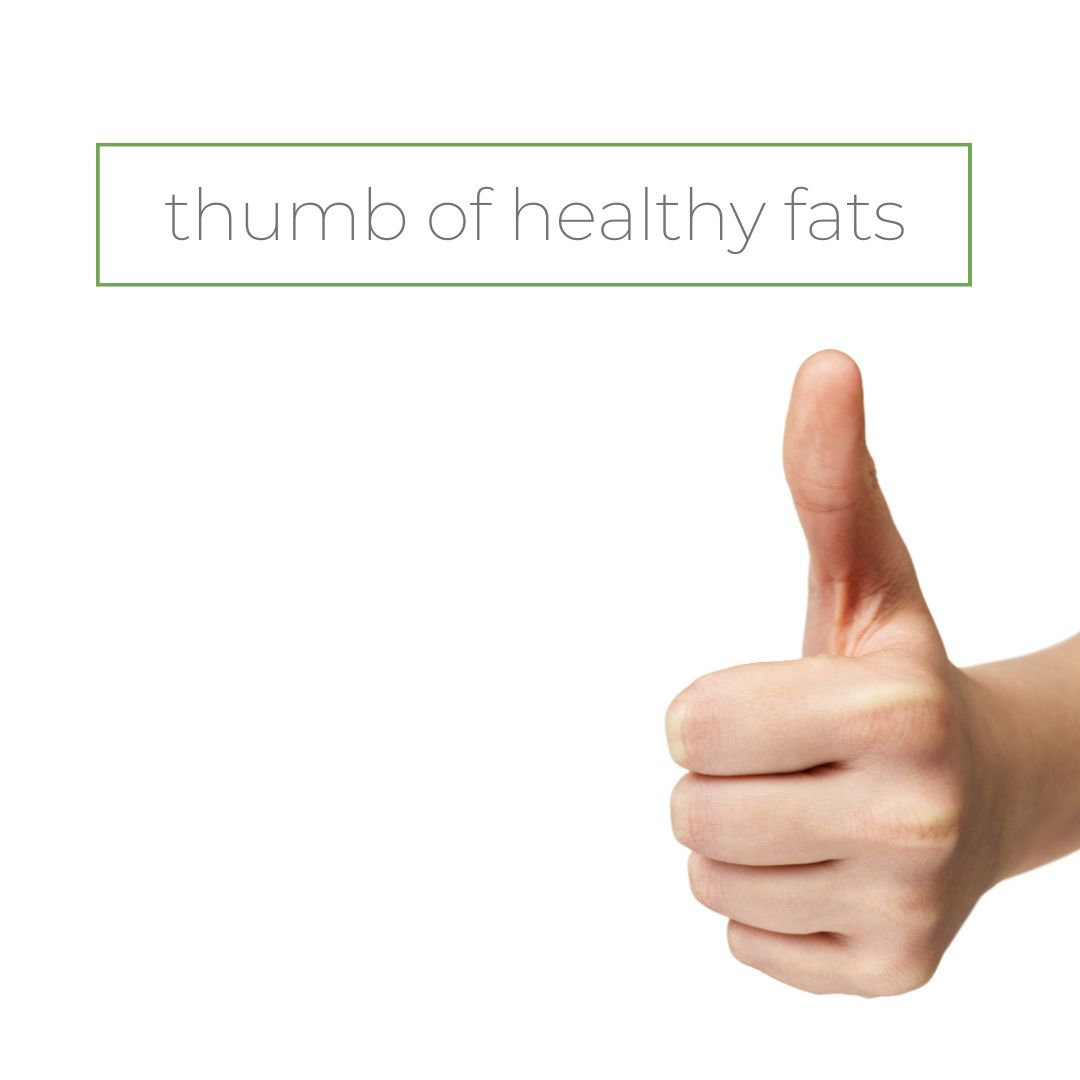
REMEMBER: this is just to be used as a rough guide and portion sizes may differ for different people eg. those who are very active. It is also important to listen to your hunger and fullness cues when you are eating but this is a great place to start if you are feeling lost.
Additional tips to help with portion control:
- Consider the size of your plate when dishing up. The bigger your plate, the more food you will dish!
- Dish your non-starchy vegetables first. Load up your plate with these!
- Wait 20 minutes before getting a second helping. Food takes time to digest so you may already be full!
- Don't leave all the food on the table in front of you when you are eating. Dish your food onto a plate in the kitchen and then go sit at the table. This will stop you reaching for more or picking at the food mindlessly.
- Don't eat out of the packet/ container. Always dish your food on a plate and then put the packet/ container away. This way you can see how much you are eating.
- Eat slowly and mindfully. Remember to chew your food. Put your utensils down between each bite. This gives your food time to digest and allows you to be more aware of your hunger and fullness cues.
Ready for personalised support?
Apply for the Real Life Reset: 16 weeks of coaching with meal plans I personalise for you, built around your real life.