· 2 min read
Is Gut Health the Key to Optimal Health?
By Melissa Colborne, Registered Dietitian

Over the past 10 years, there has been growing research and an increasing understanding of the importance of gut health in maintaining our overall health and well-being. As a dietitian, I am excited to share why gut health matters and how you can look after yours. If you want to understand your gut better and learn practical ways to nourish your gut health, keep reading!
Understanding the gut microbiota
Within our digestive system lives a complex community of trillions of microorganisms known as the gut microbiota. These microorganisms include bacteria, viruses, fungi, and other microbes, which all play an important role in various aspects of our health, from digestion and nutrient absorption to immune function and mental well-being. In fact, a large share of our immune cells are found in the gut, and most of the body’s serotonin is made there too. This is one reason it is worth looking after your gut microbiome.
The gut-brain connection
Your gut and your brain are in constant communication through the gut-brain axis. This is a bidirectional pathway of communication between your central nervous system and your gut. It influences our mood, cognition, and even our behaviour. Research in this area is still growing, but a healthy gut is thought to support mood and wellbeing.
Tips for nourishing your gut health
- Eat a fiber-rich diet:
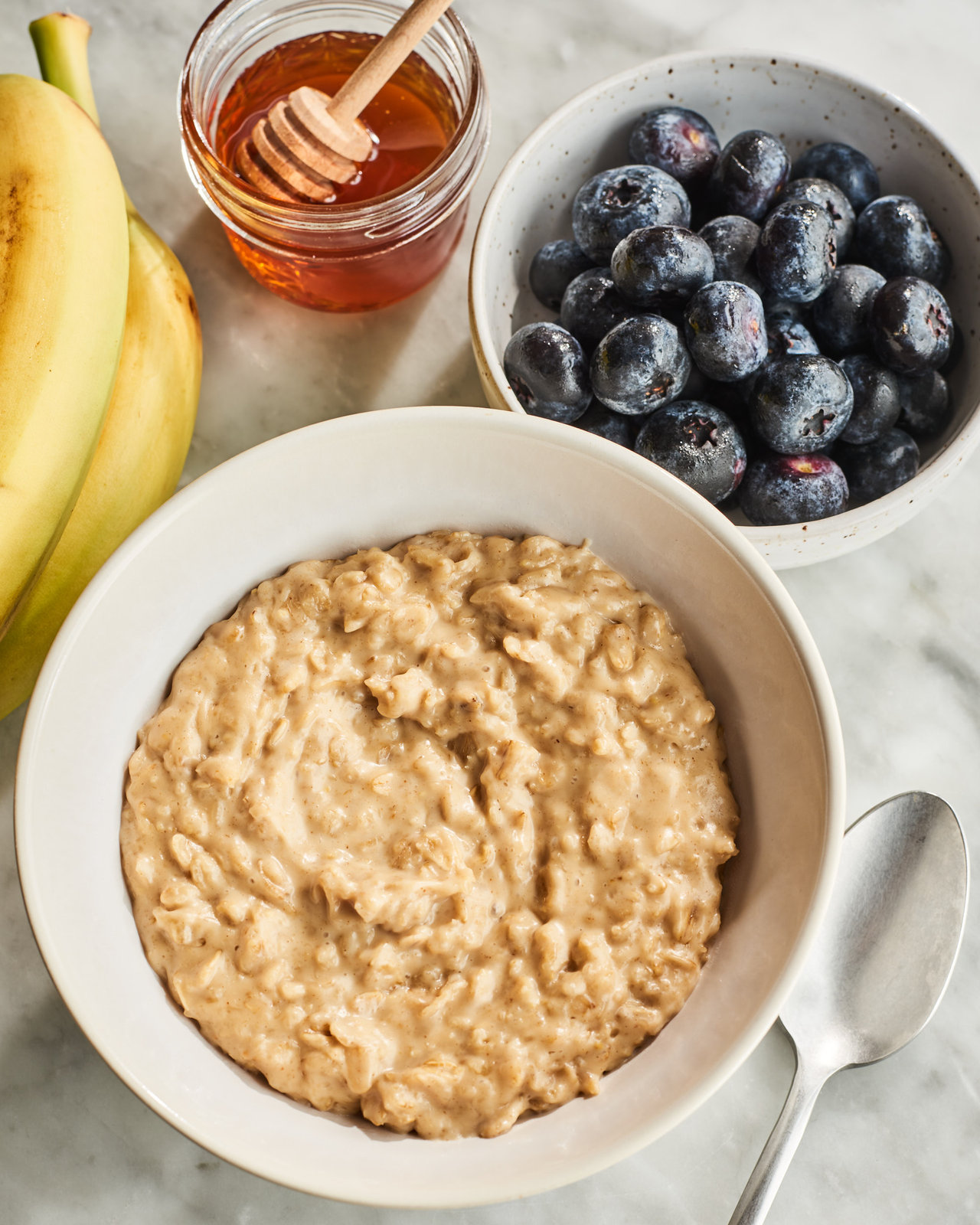
Fiber (aka prebiotics) provides your gut microbiota with the food it needs to thrive. It is important to include wide range of plant-based foods in your diet, such as fruits, vegetables, whole grains, legumes. Aim for at least 25-30 grams of dietary fiber per day.
- Include fermented foods:
Fermented foods like yogurt, kefir, sauerkraut, kimchi, and tempeh are rich in probiotics (beneficial bacteria). These foods help replenish and diversify the gut microbiota, promoting a healthy balance of microorganisms.
- Reduce processed foods:
Highly processed foods are high in refined sugar, unhealthy fats, and artificial additives, which can disrupt the balance of the gut microbiota. Aim to reduce processed foods in you diet and include more whole, unprocessed foods.
- Stay hydrated:
Adequate hydration is essential for proper digestion and maintaining optimal gut health. Aim to drink at least eight glasses of water (2 liters) per day and limit your intake of sugary beverages.
- Manage stress levels:
Stress can negatively impact your gut health. Try engage in stress-reducing activities like exercise, meditation, deep breathing or spending time in nature to support a healthy gut.
- Avoid overuse of antibiotics:
Overuse of antibiotics can disrupt the balance of gut bacteria. If prescribed antibiotics, please talk to your healthcare provider about taking probiotic supplements to lessen their effect on your gut health.
- Prioritize sleep:
Quality sleep is so important for overall health, including your gut health. Aim for 7-9 hours of uninterrupted sleep each night to support your body's natural healing processes.
As you can see, nourishing your gut health is so important for your overall health and well-being. I highly recommend trying to incorporating these simple tips into your lifestyle. Remember, small changes can lead to big benefits!
Ready for personalised support?
Apply for the Real Life Reset: 16 weeks of coaching with meal plans I personalise for you, built around your real life.